
Graphic by Madelaine Brown
By Madelaine Brown
Ghost hunting, also known as paranormal investigation, involves documenting unusual sounds, movements, temperature changes and other experiences that people sometimes attribute to spirits. From unexplained footsteps to shadowy figures caught on camera, ghost hunting combines local legends, investigative techniques and a curiosity about the unknown. For those looking to explore reportedly haunted locations this Halloween season, understanding the equipment, alleged paranormal activity and safety precautions can help turn a spooky night into a more organized investigation.
What equipment do you need?
A successful investigation does not require an expensive collection of gadgets. Popular television shows such as “Ghost Adventures” have made it easier for beginners to start with basic recording equipment and gradually introduce specialized tools as they learn how to document unusual events.
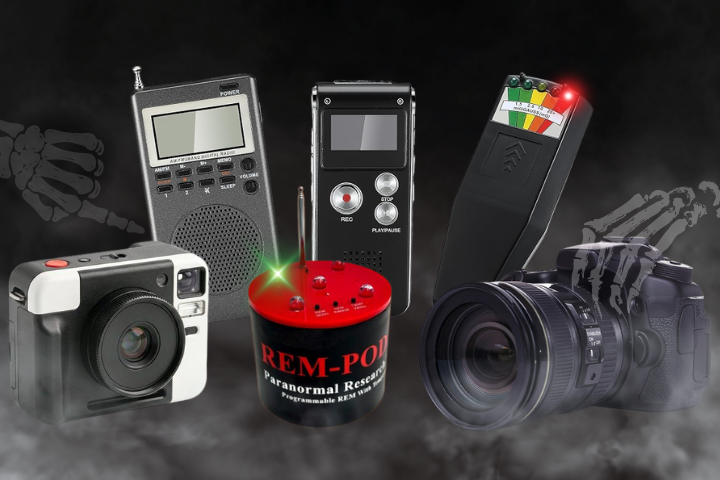
Ghost-hunting equipment: (Left to right) Polaroid camera, Ovilus 5, Audio Recorder, REM-Pod, EMF Meter, and DSLR camera.
Graphic by Madelaine Brown
Flashlight: A reliable flashlight is essential when investigating dimly-lit locations. Bring extra batteries and avoid navigating unfamiliar areas in complete darkness. A headlamp can also keep both hands free.
Camera or smartphone: Cameras help document a location and record anything unusual investigators observe. Take photos and videos of the surrounding environment, not just areas where something appears out of place. Dust, insects, reflections and camera movement can create misleading images.
Digital voice recorder: Some paranormal investigators use digital recorders to search for electronic voice phenomena, commonly called EVPs. These are sounds interpreted as voices that were not recognized during the original recording. Investigators should review the audio carefully and consider ordinary sources, such as distant conversations, wind and equipment noise.
Ovilus 5: The Ovilus 5 is a specialized device that converts environmental sensor readings into words, sounds and visual patterns from a digital dictionary. The different modes allow investigators to observe word responses, electromagnetic fluctuations and other patterns during an investigation.
Electromagnetic field meter: An EMF meter and REM-Pod measure electromagnetic fields. Ghost hunters sometimes associate unexplained fluctuations with a possible paranormal presence, but the device does not just detect ghosts. Electrical wiring, household appliances and electronic devices can affect its readings, so take it with a grain of salt!
Infrared or night-vision camera: These cameras can help record activity in low-light conditions. However, infrared technology does not automatically reveal spirits and unusual shapes or movements may have ordinary explanations.
Equipment should be used to document observations rather than treated as automatic proof of paranormal activity. A useful starting point is Haunted Hosts’ article, “A Beginner’s Guide to Ghost Hunting Equipment (EMF, Spirit Box & More),” which explains what common devices measure and their limitations.
Types of ghosts and reported hauntings
Paranormal investigators and ghost-story traditions use several labels to describe alleged supernatural encounters. The following are categorized based off of paranormal folklore and investigative terminology.
Residual hauntings: Often described as a repeated event or scene that appears to play out without interacting with witnesses. Stories might describe a figure walking the same hallway, footsteps repeating at a particular time or an apparition appearing along a familiar route.
Intelligent hauntings: These are reports in which an apparent presence seems to respond to people. Investigators may describe unexplained knocks, noises, or apparent responses to questions as signs of interaction.
Poltergeist activity: The term comes from German words commonly translated as “noisy spirit.” Folklore associates poltergeist reports with unexplained knocking, moving objects, footsteps and other disturbances. Investigators should first look for physical causes, including vibrations, loose fixtures, air currents and human interference to debunk common causes.
Apparitions and shadow figures: Apparitions are reported visual encounters with figures resembling people, while shadow figures are typically described as dark, human-shaped silhouettes. Such experiences can be unsettling, but poor lighting, peripheral vision, reflections and misperception may contribute to what a person believes they saw.
Electronic voice phenomena: EVPs are not a type of ghost, but a category of alleged paranormal evidence. Investigators examine recordings for sounds they interpret as voices or words that were not apparent when the audio was captured in response to asked questions or perceived residual energy.
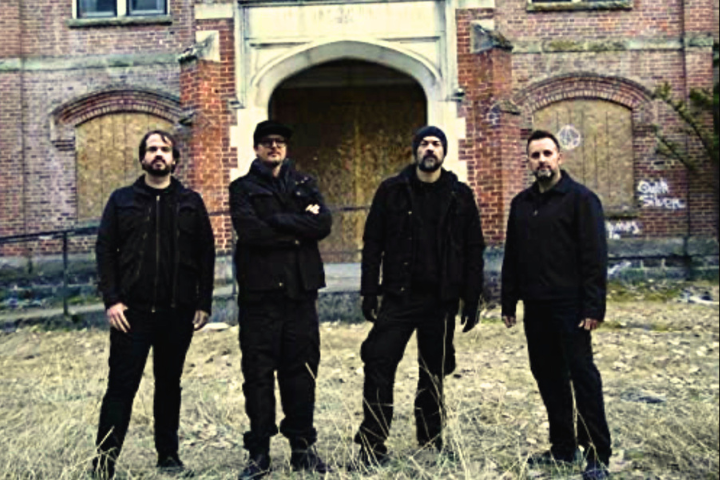
“Ghost Adventures” crew at St. Ignatius Hospital in 2019
(Left to right) Jay Wasley, Zak Bagans, Aaron Goodwin and Billy Tolley
(“Ghost Adventures” / Discovery Channel)
How to conduct a ghost hunt
- Before arriving at a location, research its history and any existing reports of unusual activity. Obtain permission from the property owner or organizer, establish boundaries and make sure everyone knows the plan.
- Once on-site, document the location before beginning the investigation. Record background noises, temperature readings and nearby electrical sources. This baseline helps you compare later observations with the environment’s normal conditions.
- Work in pairs or small groups, assign responsibilities and keep a record of the time and location of each observation. If a noise occurs, record it before attempting to explain it. Avoid leading questions that encourage participants to expect a particular response.
- Afterward, review recordings and footage in a well-lit setting. Listen to audio more than once, compare observations between investigators and consider ordinary explanations before labeling an event paranormal.
Safety first: What to know before you go
Ghost hunting should never require trespassing or putting yourself at risk. Abandoned buildings may contain unstable floors, broken glass, exposed wiring, mold or other hazards. A location’s reputation for being haunted does not make it safe to enter. Choose legal, accessible locations, such as organized ghost tours, historic sites that permit nighttime visits or private properties where permission has been granted. Tell someone where you are going, bring a charged phone and first-aid supplies and avoid investigating alone. If a location becomes dangerous, leave rather than continue an investigation for a recording. Unusual odors, headaches, dizziness or confusion may indicate environmental hazards. Leave the area and seek assistance if these symptoms occur.
Keep an open mind and have fun
Whether you are ghost hunting for the thrill, exploring local legends or hoping to experience something unexpected, the best part of the adventure is the journey itself. You might capture an unusual sound; notice something you had not seen before or simply enjoy sharing spooky stories with friends. Whatever the night brings, respect the location, look out for your fellow investigators and have fun exploring the unexplained. Ghost hunting offers a way to explore local history, investigate unusual experiences and spend time discovering places with a story to tell. Bring your equipment, stay aware of your surroundings and enjoy the experience without setting expectations for what you might find. Sometimes, the most interesting part is not knowing what to expect.
