
By Sergio Gonzalez
All graphics by Dani Ramirez
Halloween, like most holidays, has its roots in ancient Celtic traditions. These traditions stem from the festival of Samhain, pronounced “sow-in,” which is still celebrated today. With time and the colonization of America, these traditions slowly took on new meanings, however their original purposes can still be seen between the lines. In this article, the origins and original intent behind three major Halloween traditions will be discussed and how/why each tradition is performed in the modern day.
Pumpkin carving
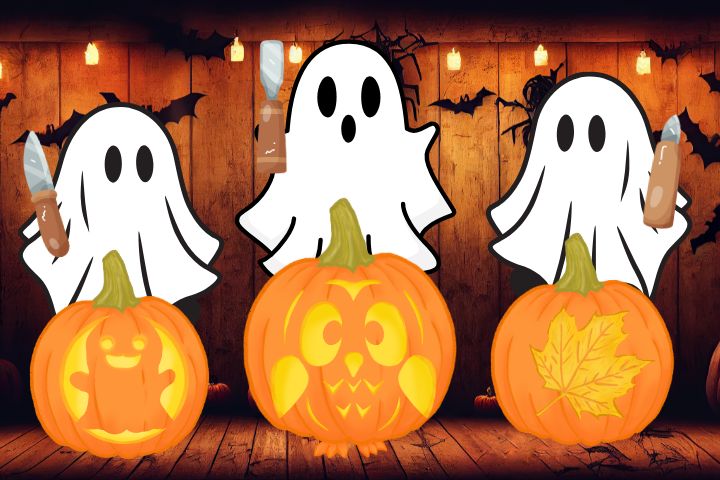
The atmosphere of fall festivals is vital to the modern idea of Halloween. According to the History Channel, a television network that also contributes history-oriented articles, it traces back to the Celtic festival of Samhain. The festival took place in autumn to mark the end of the harvest season and is believed to be a day in which the line between the living world and the dead is blurred. Because this line is blurred, people during the festival sought to ward off possibly evil spirits from their homes with carved gourds with lit coals or candles inside them. This tradition also gets its name from the legend of a man known as
“Stingy Jack.”
The story goes that “Stingy Jack” tricked the devil into not taking his soul but made himself unsavory toward his god in the process, so he was left to roam the worlds with nothing but a carved gourd with a lit coal inside it. Over time, “Stingy Jack” became known as “Jack of the Lantern,” then “Jack-o-Lantern.” So, the tradition follows that carved gourds with faces on them are intended to scare off spirits the same way “Stingy Jack” does. Jan Linn, a writer for Michigan State University Extension, however, claims that the carved gourds are a form of commemoration of the legend started by children.
When the tradition came to America, the more easily-available pumpkins were used in place of smaller gourds. The tradition has evolved into a vessel for creative expression, while also being grounded in the idea of warding off spirits. Today, the roots of the tradition have taken a back seat as the creative endeavor of carving a pumpkin has dominated the activity.
Bonus: Halloween’s Name
Much like “Stingy Jack,” the name “Halloween” has evolved over time through changes in language. The festival of Samhain went through names like “All Hallows Day,” “All Hallows Eve” and “All Hallows Mass” until eventually coming to the Americas and being known as Halloween, according to Linn.
Costumes
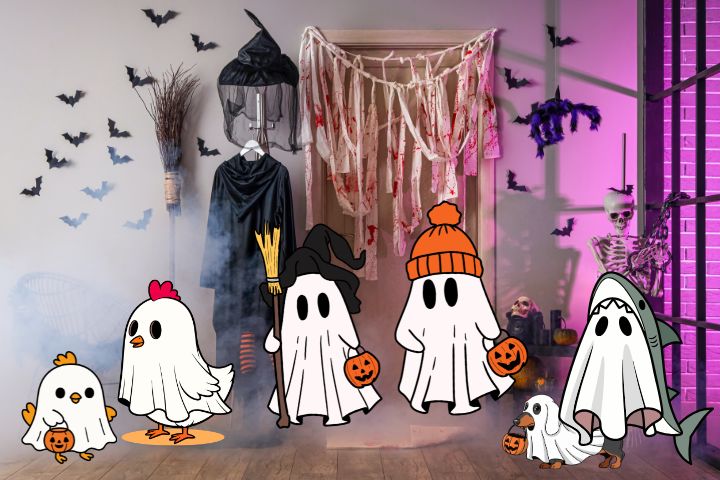
Because of the line blurring between the living world and the world of the dead, it was believed that spirits were roaming the physical world. To combat this, as Marianna Cerini from CNN writes, while some people elected to give offerings of food or valuables to the spirits, some decided to disguise themselves. These early disguises included animal skins and heads worn to hopefully be mistaken for another spirit of their kind and to avoid being tricked by these spirits. As the tradition evolved, costumes also became less about warding oneself from tricky spirits while retaining anonymity and more about incorporating the idea of self-expression, much like Jack-o-Lanterns.
The costume choices also began to shift in the mid-1900s as more aspects and characters from popular culture became wearable and readily available, stated Cerini. This is a result of the holiday leaning toward a younger demographic. While some may still choose to dress as animals, most will strive toward figures from popular culture and express themselves through costume and design.
Trick-or-treating
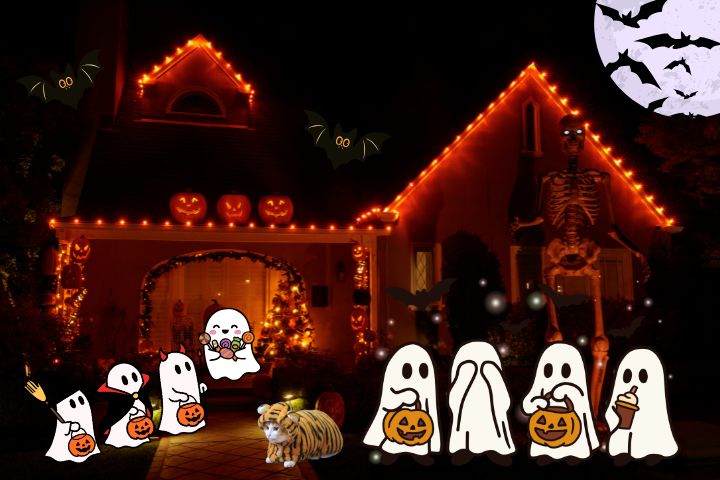
Perhaps the most popular and recognizable tradition that comes from the Samhain festival is trick-or-treating, originally known as ‘souling,’ per The History Channel. The tradition began as a nightly event during the festival for less-wealthy families to visit the wealthy and receive pastries known as “soul cakes,” in exchange for the promise that they would pray for the homeowners’ deceased relatives. Children eventually adopted the tradition, still disguised to protect themselves from spirits, and asked for gifts such as food or money. In the modern day, the connection between souling and trick-or-treating is clear but the difference in what trick-or-treaters receive, wear and why is interesting to note.
Fun Fact: There is no definitive time or place where the term “trick-or-treat” was created, but it was firmly established in American popular culture when the custom and the phrase were depicted in a Peanuts comic strip, as stated by The
History Channel.
Bonus: Candy Corn
As reported by The History Channel, the idea of corn as food was not associated with humans, rather, it was considered chicken feed. That was until the 1890s, when the Goelitz Candy Company (now known as Jelly Belly) made candy in the shape of crops like pumpkins, chestnuts and corn to appeal to the children of farmers.
Candy corn was a common candy which children could purchase in bulk cheaply and became synonymous not just with the autumn holidays, but with spring holidays as well, such as Easter. The National Confectioners Association estimates that more than 35 million pounds of candy corn are produced annually. That’s almost 9 billion pieces of candy!
Halloween traditions have evolved alongside American culture. Each of these traditions evolved from a need to survive and navigate alongside spirits to a platform for recreation. Being more associated with children, it is possible that this was done to deter children from getting into trouble during the Samhain days. What was once a night of defense from trickster spirits and a promise of prayer has become a night of creative expression and giving to strangers.
