
By Melisa Rodriguez
Graphic By Maya Uribe
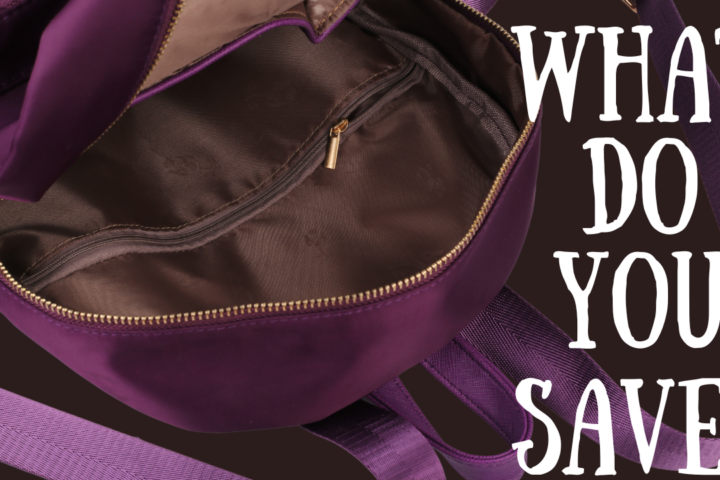
Living in California offers unique beauty with its vibrant communities but also presents challenges such as wildfires and earthquakes, which can strike suddenly, leaving little time to react. Preparing a to-go bag is an essential step to ensure you and your loved one’s safety in case of an emergency. Here is a practical guide for creating a to-go bag to have ready at a moment’s notice.
Why a To-Go Bag is Essential
In the event of a wildfire or earthquake, evacuation orders may come with little warning. Having a to-go bag ready can save precious time and reduce stress. It can get overwhelming to find everything needed in rushed conditions. A well-stocked bag ensures you have the essentials to survive for at least 72 hours while waiting for help or relocating to safety.
What to Include in Your To-Go Bag
Go bags should contain the following essentials:
- A 3-day supply of non-perishable food and 3 gallons of water per person.
- A map with at least 2 evacuation routes.
- Necessary prescriptions or medications.
- A change of clothes and extra eyeglasses or contact lenses.
- Extra car keys, credit cards, cash or traveler’s checks.
- A first aid kit, N95 masks or cloth face coverings, hand sanitizer, anti-bacterial wipes and a thermometer.
- A flashlight and a battery-powered radio with extra batteries.
The 6 P’s of Evacuation
Firefighters also recommend the “6 P’s of Evacuation” which is a checklist to ensure you leave nothing important behind during an emergency evacuation. Make sure to keep these factors in mind when packing your to-go bag:
People, Pets and Papers: Prioritize your loved ones, pets and important documents such as IDs, insurance and medical records.
Phone Numbers & Important Documents: Ensure you have a written or digital list of emergency contacts and other critical paperwork.
Prescriptions, Vitamins and Eyeglasses: Do not forget essential medications and items for daily health.
Pictures and Irreplaceable Memorabilia: Pack sentimental items that cannot be replaced such as family photos.
Personal Computer, Hard Drives and Disks: Bring any essential electronic devices with important files or memories.
“Plastic” and Cash: Take credit cards, ATM cards and physical cash in small denominations (example: $1,$5, $10, $20, $50, $100).
Additional Items for Your Go Bag
It is essential to go beyond the basics to ensure you are fully equipped for any situation. In addition to essentials like food, water and first aid supplies, consider adding a few extra items to enhance communication, hygiene and even comfort. These thoughtful additions can make a significant difference in maintaining your well-being and peace of mind during an emergency.
Communication Tools: A fully charged portable phone charger or a solar-powered charger and a whistle to signal for help if needed.
Personal Hygiene Supplies: Toothbrush, toothpaste, hand sanitizer and wet wipes.
Safety and Tools: A multipurpose tool or Swiss Army knife, duct tape and heavy-duty gloves.
Pet Supplies: Food, water, leash and medications for your pets.
How to Store Your To-Go Bag
- Keep the bag in an accessible location, such as near the front door, in your car or under your bed.
- Use a sturdy, waterproof backpack or duffle bag that is easy to carry.
Tips for Staying Prepared
Update Regularly: Review your to-go bag every six months to replace expired items, adjust clothing for the season and ensure documents are current. Make sure to stay informed of any weather alerts, especially during high wind seasons.
Practice Evacuation: Familiarize your household with your evacuation plan and practice grabbing your bag and leaving quickly.
Know Your Area: Learn evacuation routes and emergency shelters near you.
Final Thoughts
Emergencies can happen without warning, but a well-prepared to-go bag and knowledge of the “6 P’s of Evacuation” can make all the difference. By gathering these essentials and planning ahead, you can protect yourself and your loved ones while reducing stress during uncertain times.
Take the time today to pack your to-go bag—it is a small step that could save lives.
