
Written by Esmeralda Meckler
I was in my ethnic studies class the other day and our learning community leader presented about imposter syndrome. While people were discussing it, I realized how all of us have experienced forms of imposter syndrome and never talked about it.
With midterms approaching, I wanted to spotlight this struggle. Many students may find exams bring more than academic stress. For some, tests can intensify feelings of imposter syndrome, and exams can trigger this cycle. Before a test, students may experience anxiety, procrastination or over-preparing. Afterward, even with strong results, relief is quickly replaced with thoughts like “I just got lucky.” Students may push themselves too hard to prove their worth, withdraw from opportunities or feel isolated from peers. Recognizing imposter syndrome is especially important during midterms when self-doubt can run high. Experts note that struggling with imposter thoughts does not mean you do not belong, it means you are human and you are not alone.
What is imposter syndrome?
Imposter syndrome is the constant doubt of your abilities, accomplishments and fearing you do not belong or are not capable of success. Common thoughts of imposter syndrome include “Am I smart enough to be here?”, “Everybody is smarter or more accomplished than me”, “I don’t belong here”, “I’m not capable of doing this” or “If I’m not perfect then I’m a failure.”
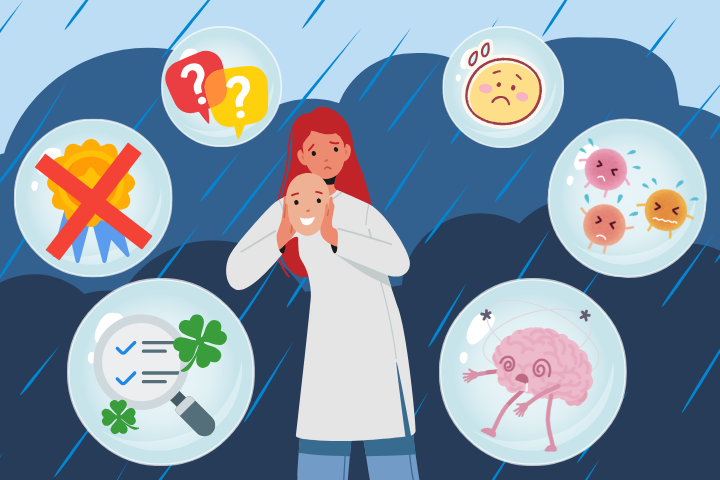
The imposter syndrome cycle starts with being presented with a new task, such as an exam. Feelings of anxiety, procrastination, overanalyzing or overpreparing start to arise. Once the exam is over, a sense of relief can appear but is quickly washed away once the thoughts of self-doubt and negativity come in. You start to question yourself, your worth and credibility, often feeling like a fraud. Even if you passed the exam, you do not celebrate your success. For instance, you say “I got lucky” or “I made sure it was perfect.”
The impact it has on college students
The reported percentage of students who suffer from imposter syndrome is around 20%, yet talking with peers, it seems many college students struggle with the same imposter thoughts and insecurities. Imposter syndrome can have a significant impact on college students, affecting their academic performance, social life and mental health. Some of the main effects include:
- Increased stress and anxiety: Students may constantly feel like they do not belong or are not as capable as their peers, which can heighten stress levels and lead to chronic anxiety.
- Lower self-confidence: Even when performing well academically, students with imposter syndrome often doubt their abilities and attribute success to luck rather than skill or hard work.
- Academic underperformance: Fear of failure or being exposed as a fraud may cause students to avoid challenges, procrastinate or overwork themselves, which can negatively affect grades and learning.
- Burnout: Students might push themselves excessively to prove their worth, leading to exhaustion and decreased motivation over time.
- Mental health challenges: Imposter syndrome has been linked to depression, loneliness and feelings of isolation, especially if students believe they are the only ones experiencing these doubts.
- Reduced engagement and participation: Some students may hesitate to ask questions, contribute in class, or pursue opportunities like internships, leadership roles and research out of fear they are not good enough.
- Impaired social connections: The belief that others are more competent can make it harder for students to form supportive peer relationships, reinforcing feelings of isolation.
Tools for imposter syndrome
The main question is how can we overcome imposter syndrome? Here are some important things to practice:
- Talking to friends: Sharing your experiences with trusted friends can help normalize your feelings. Friends often provide perspective, encouragement and validation that you might not give yourself.
- Talking to fellow peers: Engaging with classmates or colleagues reminds you that you are not alone. Many peers may share similar doubts, and having open conversations can reduce isolation while building community.
- Words of affirmation: Practicing affirmations such as “I am capable” or “I belong here” can reframe negative thoughts. Writing them down or saying them aloud helps reinforce a more positive mindset.
- Using positive self-talk: Counter self-criticism with supportive inner dialogue. Replacing thoughts as “I’m not good enough” with “I am learning and improving.” Positive self-talk strengthens confidence over time.
- Doing the things you love: Engaging in hobbies and activities you enjoy creates balances and reduces stress. It also reminds you of your value beyond academic or professional achievements.
- CI Wellness Promotion & Education: On Campus mental health support, WPE provides short-term and same-day mental health services and crisis interventions in a confidential setting. They are located in Bell Tower East, Room 1867 or you can call the support line at 855-854-1747.
Imposter syndrome is a challenge many of us quietly carry, yet it does not define our abilities or worth. By recognizing these feelings and reaching out for support, students can begin to break the cycle of self-doubt. Remember, you earned your place, your successes are real and you are not alone in this experience.
