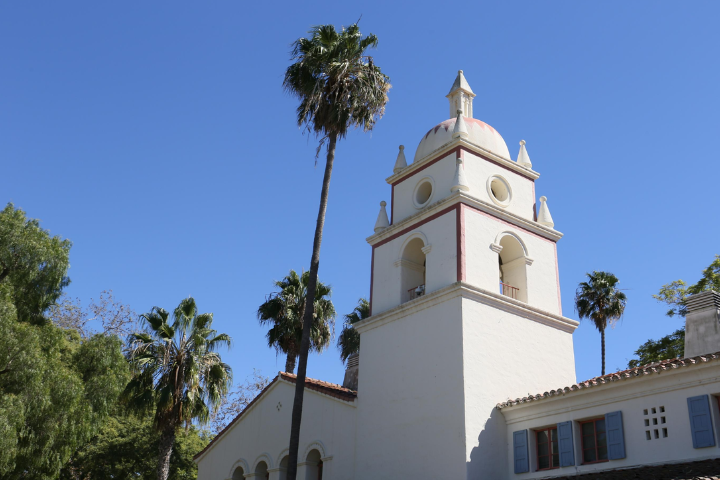
Bell Tower on CI’s campus
Photo by Dani Ramirez
By Esmeralda Meckler
Para leer el articulo en Español, presiona aquí: https://civiewnews.com/features/estamos-descubriendo-la-experiencia-de-estudiantes-de-primera-generacion-parte-2/
Last week, I shared my own story as a first-generation college student and the challenges that came with navigating college without a roadmap. But my experience is only one of many. To better understand what being first-generation looks like, I spoke with four CI students about their own journeys. For Part 2, I spoke with Jessica Diaz, a sophomore liberal studies major, and Jose Rodriguez, a sophomore health science major. Their stories highlight the different challenges, lessons and moments of growth that come with being the first in their families to navigate college.
Q: What does being a first-generation college student mean to you? How does it shape who you are?
Diaz: Being a first-generation college student means being the first in your family to attend college and having to figure things out on your own. It shaped me because I entered a completely new environment without knowing who to turn to or how the process worked. When I was applying, I had to look for help from high school counselors during my breaks and I was stressed and overwhelmed because I didn’t know what to do. Thankfully, one counselor took the time to guide me step by step through the application process, which helped me eventually get accepted, but I always felt lost.
Rodriguez: Being a first-generation college student means facing a lot of challenges because no one in my family went to college, so I had to start from zero. Having to figure everything out on my own was difficult, but it also shaped me into a more responsible person and a leader. It taught me how important it is to have someone there to guide and support you. Now, when I see other students struggling with assignments, college forms or simply not knowing where to go for help, I try to be that person for them. Being a first-generation student has shown me that even if I had to figure things out on my own, I can use those experiences to help make things easier for someone else.
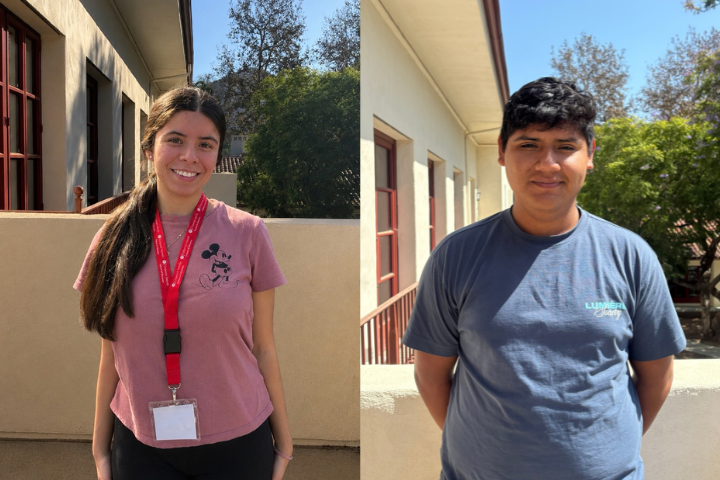
(Left) Jessica Diaz, a sophomore liberal studies major
(Right) Jose Rodriguez, a sophomore health science major
Photos by Esmeralda Meckler
Q: What was the biggest challenge you faced when you first started college? How did you navigate that?
Diaz: One of my biggest challenges was commuting because I didn’t have a car or license when I started college. I didn’t want to dorm because I didn’t want to be away from my family and there were too many expenses. I had to rely on rides from my classmates and Uber. I always felt lost because I didn’t know the routes or anyone on campus. Eventually I learned that it was okay to ask for help and with encouragement from my mom and friends, I pushed myself to learn how to drive and become more independent. Commuting was difficult, but the support I received helped me overcome that obstacle.
Rodriguez: One of the biggest challenges I faced when I first started college was choosing my classes and deciding on a major. Choosing a major was also difficult because there are so many options and when you’re just starting college, you might not know exactly what you want to do or which major is right for you. I navigated those challenges by asking for help from my classmates and peers and going to counseling more often. Talking to counselors helped me understand which classes I needed to take, what I was interested in and how I could prepare for classes ahead of time.
Q: Have you ever felt pressure to succeed? If so, how did that affect you?
Diaz: Yes, I’ve felt a lot of pressure to succeed because of everything my parents have sacrificed for me. They’ve always told me to do better than they did and to build a career for myself because they want me to have opportunities that they never had. Knowing how hard they’ve worked and how much they’ve given me makes me feel like I can’t let them down. There are times when I get so focused on school and my grades that I distance myself from my friends or become really hard on myself because I’m scared that I’m not doing enough.
Rodriguez: Yes, I’ve definitely felt pressure to succeed. At one point, it became too much that I almost dropped out of college. I felt pressure from my family and from myself because I knew they had high hopes for me. My biggest motivation comes from my dad, who always encouraged me to never give up and go after what I wanted. He passed away before he could see me graduate high school, so being in college feels like I’m carrying on his legacy and doing this to make him proud.
Q: Who has been your biggest support during your college journey?
Diaz: My biggest support throughout my college journey has been my high school advisor. She helped me apply for scholarships, fill out applications and understand the steps I needed to take to get into college. She would encourage me to keep trying, even if I got rejected, reminding me that there would always be other opportunities. I truly appreciate everything she did because without her guidance and encouragement, I don’t know if I would be where I am today. Her support showed me that having even one person believe in you can make a huge difference when you’re trying to navigate college on your own.
Rodriguez: My fiancée, her family and my dad. My fiancée has always encouraged me to go after my dreams and to try new things. She’s always been there when I need support or reassurance, she’s the reason I am where I am today. Her family has also been supportive and constantly reminds me to keep going. They are a big part of why I keep going forward, I want to make them all proud. I would also say my dad has been a big support in his own way. Honoring his legacy always reminds me not to give up, to do my best and to keep going even when things don’t work out. He would always tell me that dedication is more important than skill because even if someone is naturally talented, having determination and ambition can help you keep going.
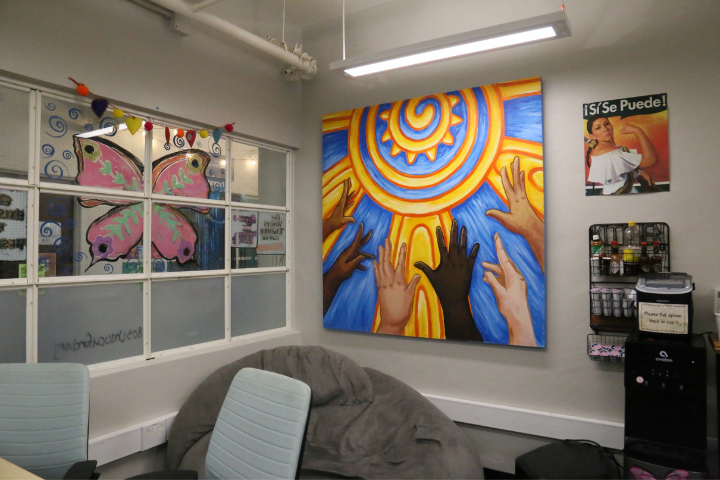
CI’s LatinX Center located in Bell Tower 1538
Photo by Dani Ramirez
Q: Are there any resources CI has that helped you or made you feel supported? If not, what can they do to improve?
Diaz: CI has a few resources that have made me feel supported, especially academic advising, the Learning Resource Center and the LatinX Center. My advisor helped me realize I was in the wrong major and guided me through the classes I needed, while the LatinX Center has given me a place to study, meet people and access resources like free printing. The Learning Resource Center has also been helpful for tutoring, especially through virtual appointments as a commuter.
Rodriguez: I would say the Learning Center and Writing Center have been two resources where I’ve received a lot of support. I think CI is doing a good job with the resources it offers, but I think they could do more to promote them. A lot of students don’t know these resources exist until someone tells them about them or they are already struggling. I think making students more aware of these centers, especially when they first start college, could help more students take advantage of that support.
Q: If you could give a piece of advice to a first-generation college student who is feeling lost, what would you tell them?
Diaz: My biggest piece of advice would be don’t be so hard on yourself. Even if a bad grade feels like the end of the world, remember that you still have time and opportunities to make things up. I would also tell first-generation students not to be hard on their parents, especially if their parents are immigrants or haven’t experienced any college themselves. They’re learning and going through this journey with you, so instead of getting frustrated when they don’t have the answers, learn together and be patient with each other, that is something I personally learned the hard way.
Rodriguez: I would say not to feel stuck in a career or major. It’s easy to think you know what you want to do, but as you move through college, you may discover that something else fits you better and that’s normal. For example, I started as a pre-nursing student because I wanted to become an RN, but I realized I was interested in physical therapy and I wanted to become a physical therapist. When things get difficult, keep pushing through and don’t give up. You have people who care about you and want to support you and no matter what happens, keep moving forward with your head held high.
From figuring out college applications and financial aid to dealing with the pressure to succeed and learning when to ask for help, their stories show that while every first-generation experience is different, many of the challenges can feel familiar.
Look forward to next week, Oct. 16, when we’ll hear from two more CI students about their experiences as first-generation college students.
